

Complete Bodyweight Squats Exercise Guide
Learn everything about Bodyweight Squats exercise including proper form, muscles worked, benefits, variations, alternatives, and common mistakes to avoid.
Muscles Worked & Equipment
Primary Muscle
The main muscle group targeted by this exercise, receiving maximum activation during the movement.
Secondary Muscles
The main muscle group targeted by this exercise, receiving maximum activation during the movement.
The main muscle group targeted by this exercise, receiving maximum activation during the movement.
Equipment
This exercise can be performed using only your body weight, with no external equipment required.
Muscle Categories
This exercise primarily targets muscles that belong to the thighs category, contributing significantly to overall development.
This exercise primarily targets muscles that belong to the glutes category, contributing significantly to overall development.
This exercise primarily targets muscles that belong to the abdominals category, contributing significantly to overall development.
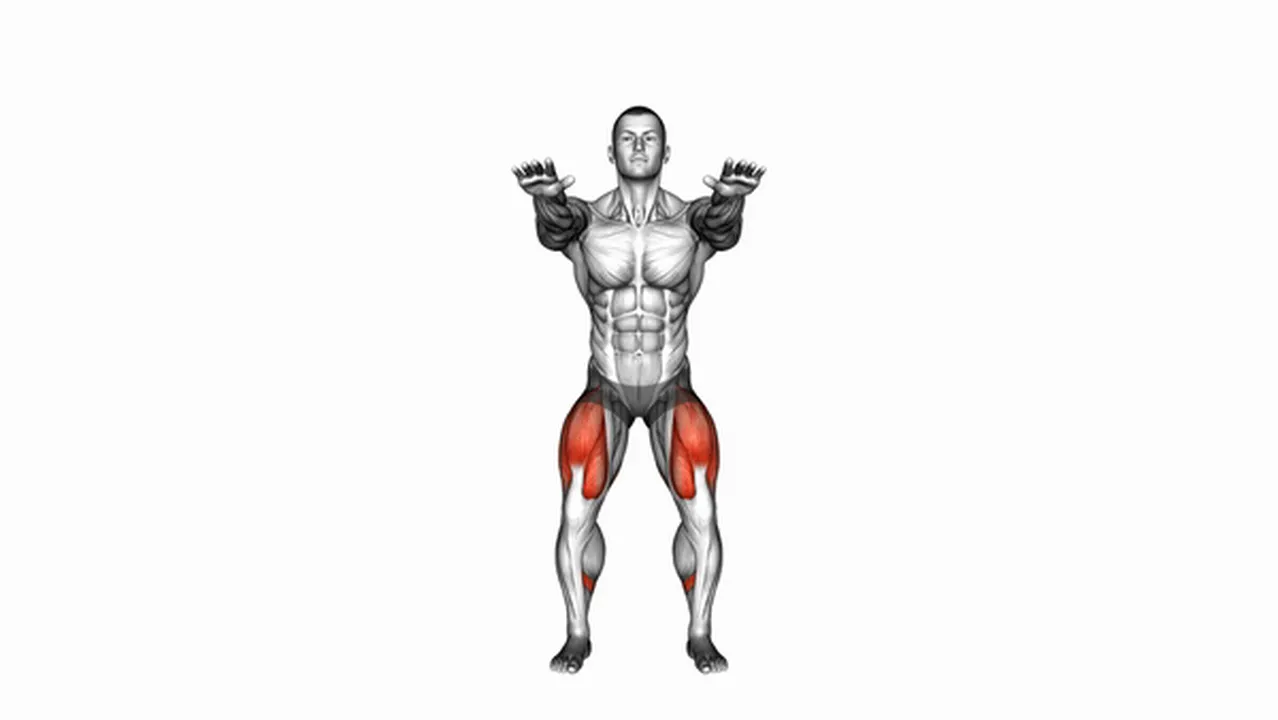
Introduction
1.
They work your thighs, glutes (buttocks), and core (middle body).
2.
You don't need any special equipment – just your own body weight!
3.
Squats are good for people of all fitness levels, from beginners to advanced athletes.
4.
They improve your overall strength and how long you can exercise without getting tired (endurance).
5.
Regular squats make everyday movements easier. This is called 'functional strength'. For example, it's easier to get up from a chair or lift heavy objects.
6.
Squats help improve your balance, making you less likely to fall.
7.
Doing squats regularly improves your overall health and fitness.
8.
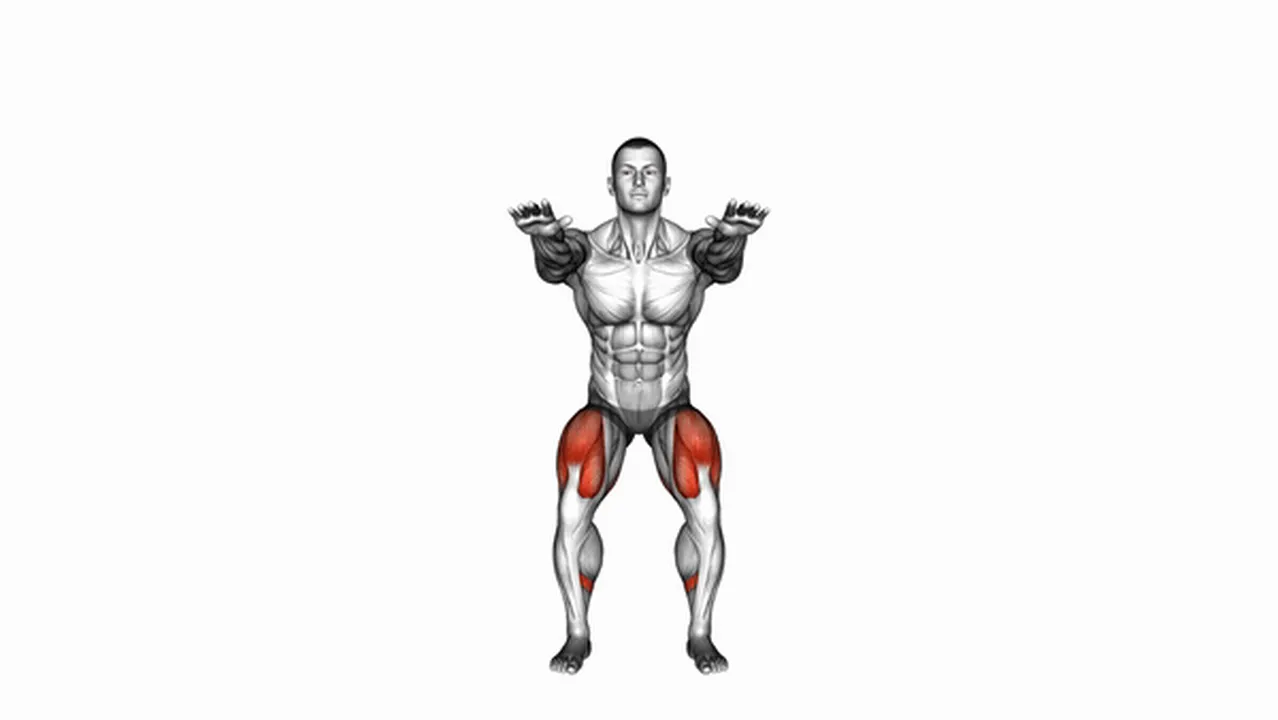
To do a squat, stand with your feet shoulder-width apart.
9.
Keep your back straight and chest up.
10.
Slowly bend your knees and lower your hips as if you're sitting in a chair.
11.
Make sure your knees stay in line with your toes.
12.
Go down as far as you comfortably can, then push back up to standing.
13.
Start with a few squats and gradually increase the number as you get stronger.
14.
Listen to your body and stop if you feel any pain.
 Zylo AI
Free Calorie
Counter
App







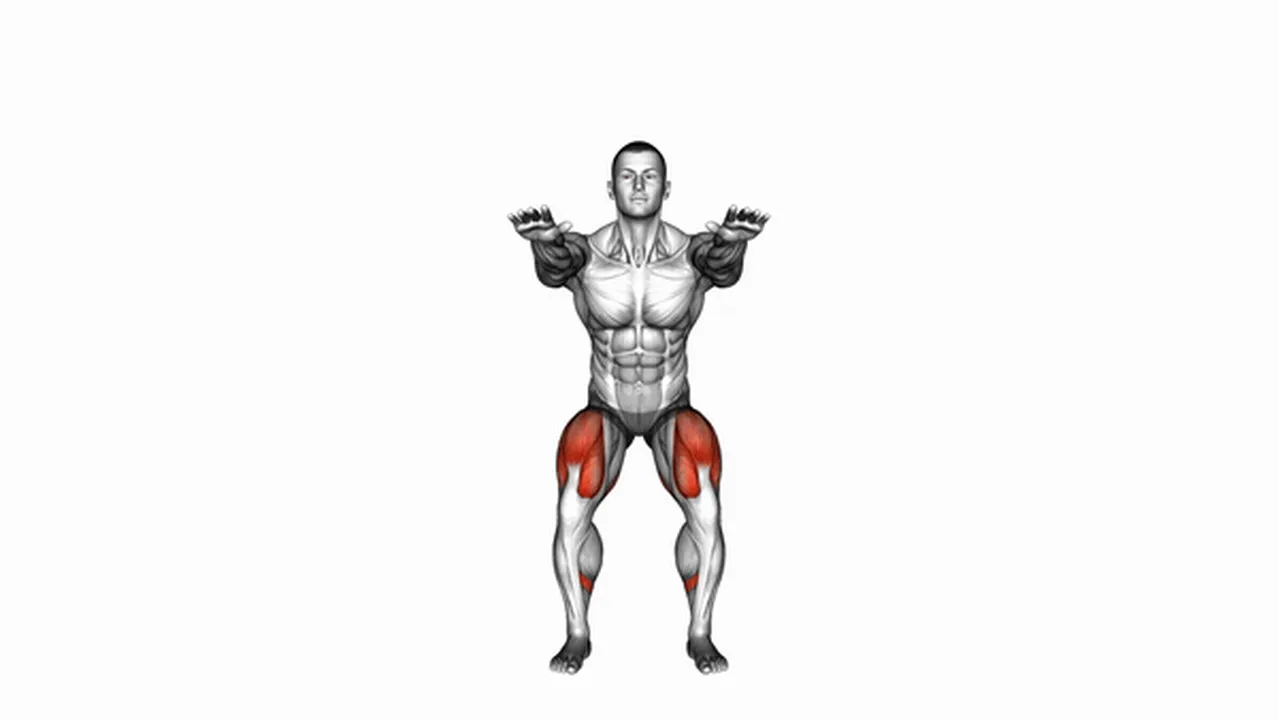
What are the benefits of bodyweight squats?
1.
They make your leg muscles, glutes (buttocks), and core (middle) muscles stronger. This helps you lift things and move around more easily.
2.
Doing squats regularly makes you more flexible, especially in your hips and knees. This can help prevent injuries and make everyday movements easier.
3.
Squats improve your balance and coordination. This is helpful for staying steady on your feet and preventing falls.
4.
You don't need any special equipment to do bodyweight squats. You can do them anywhere, anytime!
5.
Squats are a functional exercise, meaning they help you with everyday actions like getting up from a chair or carrying groceries. They make these tasks easier and less tiring.
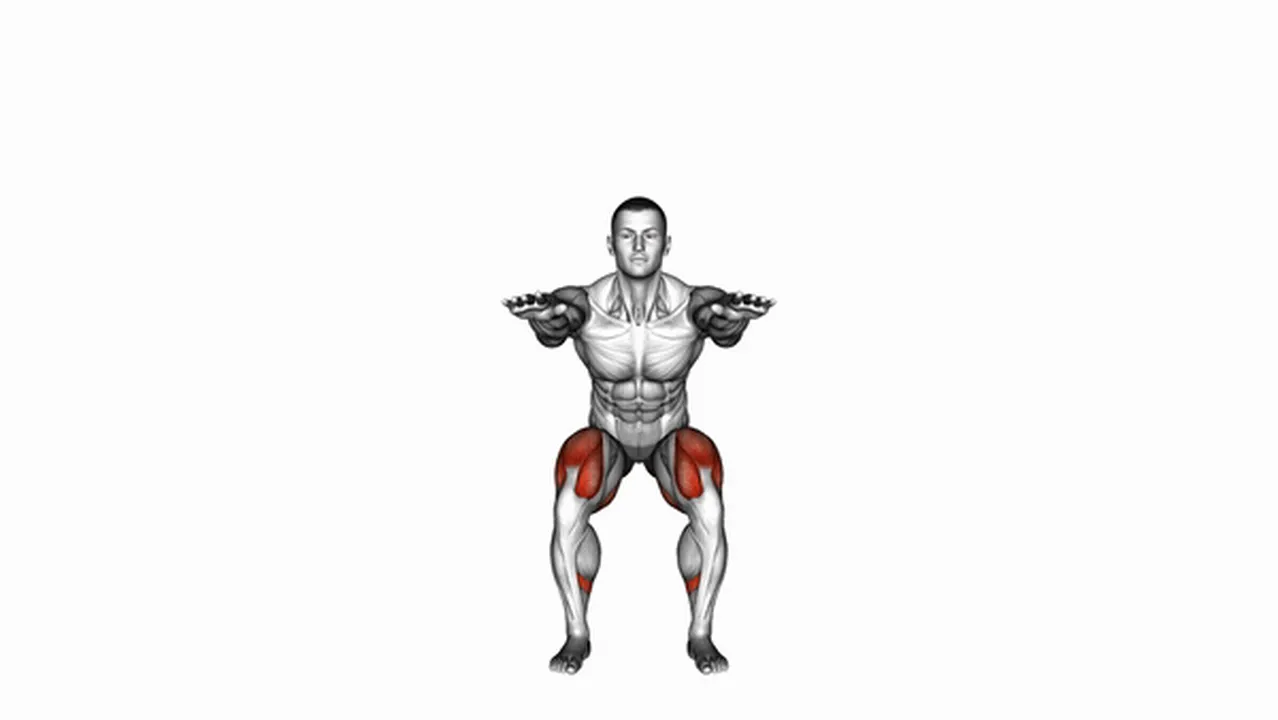
How to do bodyweight squats?
1.
Engage Your Core: Tighten your stomach muscles. This helps keep your back straight and protects your spine.
2.
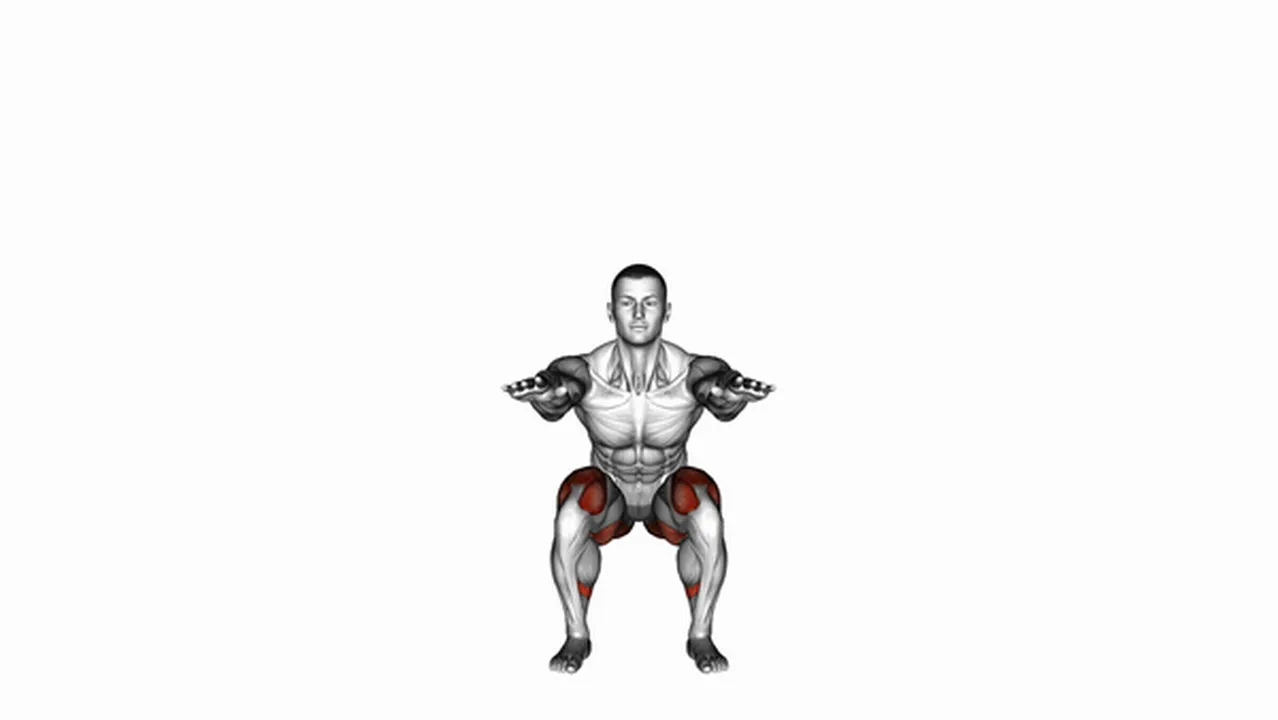
Start the Squat: Bend your knees and push your hips back, like you're going to sit in a chair.
3.
Go Down: Lower yourself until your thighs are even with the ground, or as low as you can comfortably go.
4.
Push Up: Straighten your legs by pushing through your heels to stand back up.
5.
Repeat: Do this as many times as you planned.
6.
Important Tip: Make sure your knees stay lined up with your toes. This prevents knee injuries and keeps you balanced.
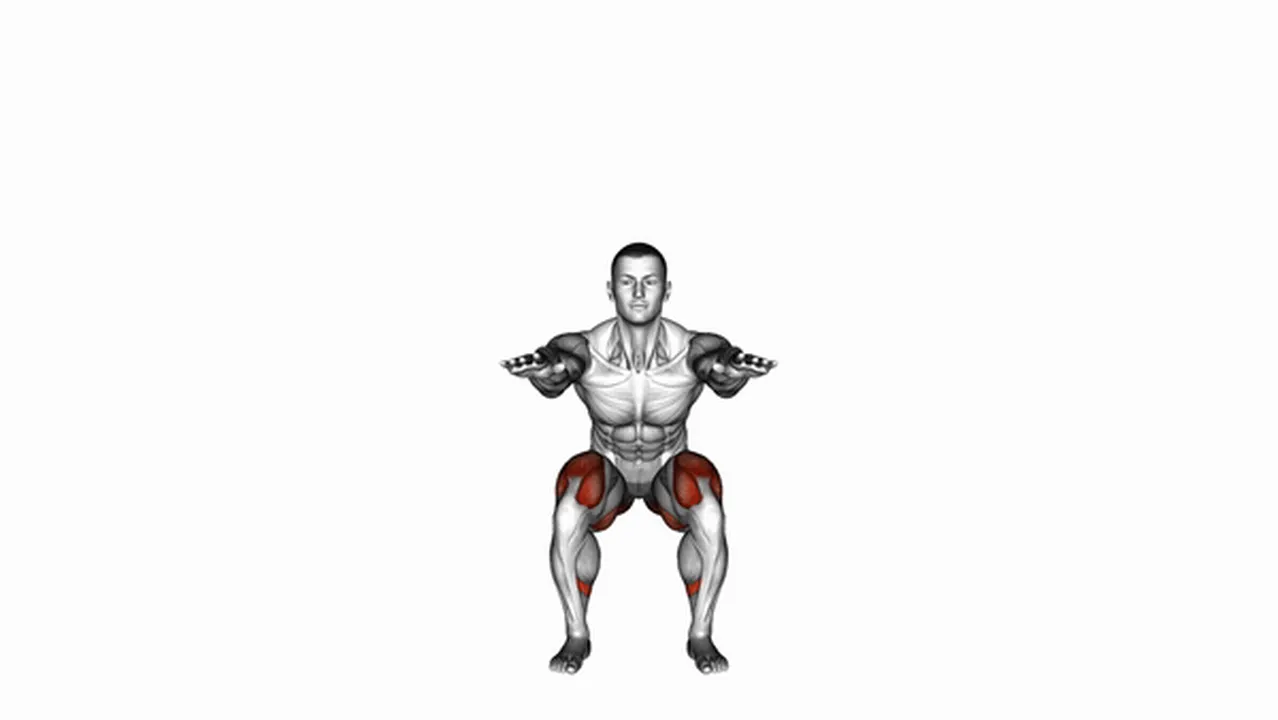
Common bodyweight squat variations
1.
Kettlebell Goblet Squats: Hold a kettlebell to your chest while squatting. This adds weight, making it harder, and helps you stand straighter than a regular squat. It also works your core muscles for better balance.
2.
Dumbbell Single-Leg Squats: Do squats on one leg at a time, holding dumbbells for extra weight. This is harder because you need more balance. It's great for building strength and improving your coordination.
3.
Suspended Split Squats: Use special straps that hang from above to do squats. You stand with one leg forward and one leg back. This helps improve balance and flexibility, and is good for making both legs equally strong.
4.
Each of these exercises has its own advantages. Try them all to find which ones you like best and which fit your workout plan.
Alternatives to bodyweight squats
1.
Sumo squats: Stand with your feet wide apart. This works your inner thighs and glutes (buttocks) more.
2.
The wider stance helps you use your inner thigh muscles, which are good for strengthening that area.
3.
Pistol squats: This is a hard squat done on one leg. It needs good balance and strength.
4.
It works your quads (front of thighs), glutes, and core (middle body) for better stability.
5.
Band squats: Use a resistance band around your thighs while squatting.
6.
This makes the squat harder and helps you do it correctly, working your glutes better.
7.
Jump squats: Add a jump at the top of your squat.
8.
This makes it more intense and improves your heart health. It also builds power and makes you more agile.
9.
Each type of squat has its own benefits, like getting stronger, better balance, and working different muscles.
Zylo AI
Free Calorie
Counter
App
Common mistakes during bodyweight squats
1.
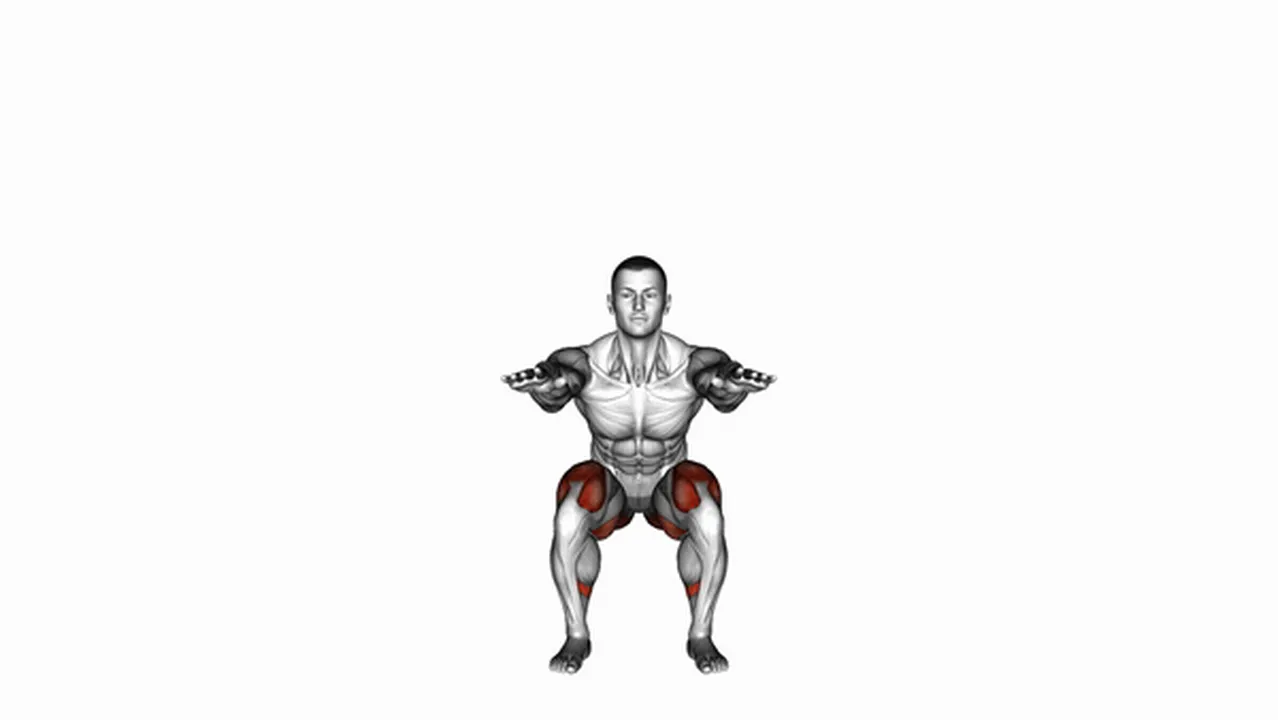
Stand up straight: Keep your chest up and your back straight. Don't lean too far forward, as this puts stress on your lower back.
2.
Go low enough: Squat down until your thighs are even with the ground. This makes the exercise work better.
3.
Keep your heels down: Make sure your heels stay flat on the floor throughout the whole squat. This helps you balance and keeps your body aligned properly.
Takeaway
1.
Bodyweight squats build strong legs and glutes without needing any equipment. This makes them perfect for home workouts or when you're traveling.
2.
Improved flexibility is a key benefit. Regular squats increase the range of motion in your hips, knees, and ankles, making everyday movements easier.
3.
Better balance is another plus. Squats challenge your body to stay stable, improving coordination and reducing your risk of falls.
4.
Proper form is crucial to avoid injury and get the most out of each squat. Focus on keeping your back straight, chest up, and weight in your heels.
5.
Common mistakes to watch out for include rounding your back (which can strain your spine), leaning too far forward (putting extra pressure on your knees), and not going low enough (reducing the effectiveness of the exercise).
6.
Start slowly and gradually increase the number of squats you do. Listen to your body and rest when you need to. Don't push yourself too hard, especially when you're just starting out.
7.
Bodyweight squats are a fantastic exercise for people of all fitness levels. Beginners can start with a few squats a day, while more experienced exercisers can increase the number of repetitions or add variations like jump squats.
Zylo AI
Free Calorie
Counter
App
Disclaimer: The routines and schedules featured on our website are for informational purposes only and do not constitute medical or professional advice. Individual preferences, goals, and daily routines may vary significantly. Please note that some product links within our content are affiliate links. While not all routines have been explicitly endorsed by the individuals mentioned, we strive to ensure the accuracy and timeliness of the information we provide.
Disclaimer: Zylo AI(BR) does not provide medical advice, diagnosis, or treatment. Any information published on this website or by this brand is not intended as a replacement for medical advice. Always consult a qualified health or mental health professional with any questions or concerns about your mental health.