
Complete Bodyweight Supported Squats Exercise Guide
Learn everything about Bodyweight Supported Squats exercise including proper form, muscles worked, benefits, variations, alternatives, and common mistakes to avoid.
Muscles Worked & Equipment
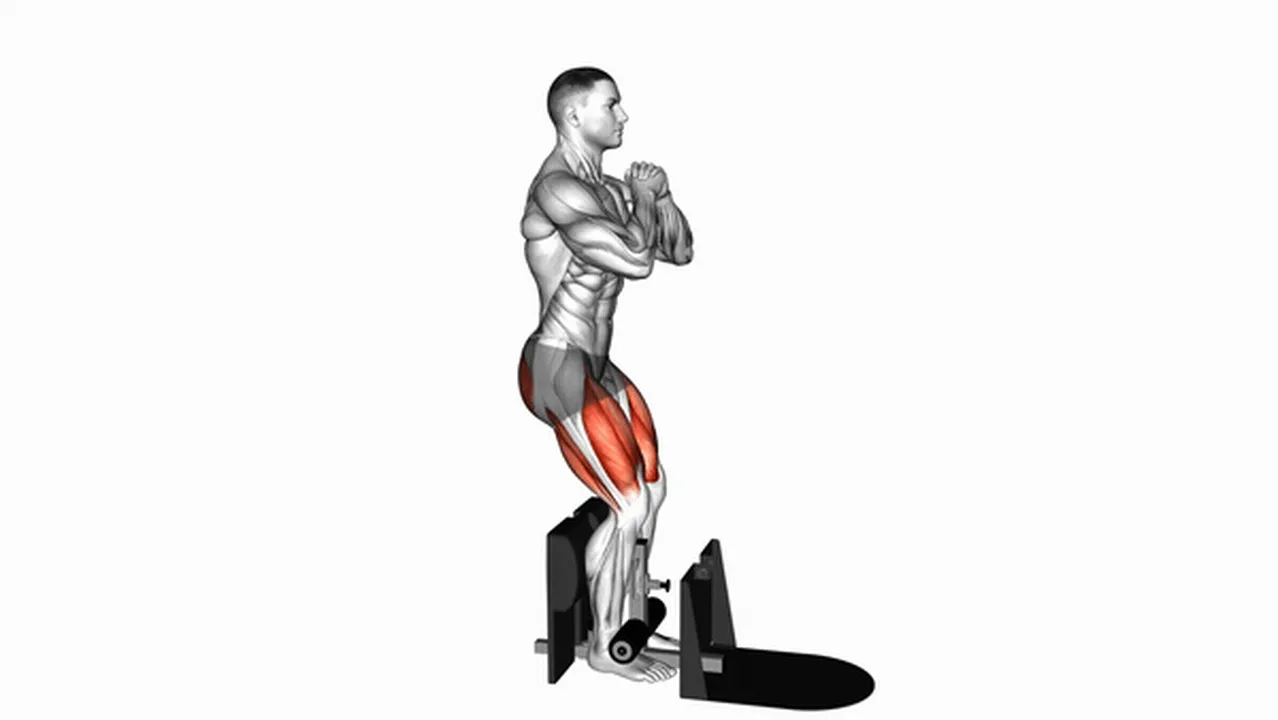
Primary Muscle
The main muscle group targeted by this exercise, receiving maximum activation during the movement.
Secondary Muscles
The main muscle group targeted by this exercise, receiving maximum activation during the movement.
The main muscle group targeted by this exercise, receiving maximum activation during the movement.
Equipment Needed
This exercise requires a sturdy rail, wall, or other support for balance equipment to be performed safely and effectively.
Muscle Categories
This exercise primarily targets muscles that belong to the quads category, contributing significantly to overall development.
This exercise primarily targets muscles that belong to the glutes category, contributing significantly to overall development.
This exercise primarily targets muscles that belong to the hamstrings category, contributing significantly to overall development.
Introduction
1.
These squats use extra support, making them perfect for beginners, people recovering from injuries, or anyone who wants to improve their squat form.
2.
The support helps you do squats correctly, reducing the chance of getting hurt.
3.
You'll work your thighs, hips, and buttocks (glutes) effectively.
4.
This exercise is easy to do at home or at the gym, and you can adjust it to match your fitness level.
5.
Using a chair or table for support allows you to focus on the proper squatting motion without the full weight of your body putting pressure on your joints.
6.
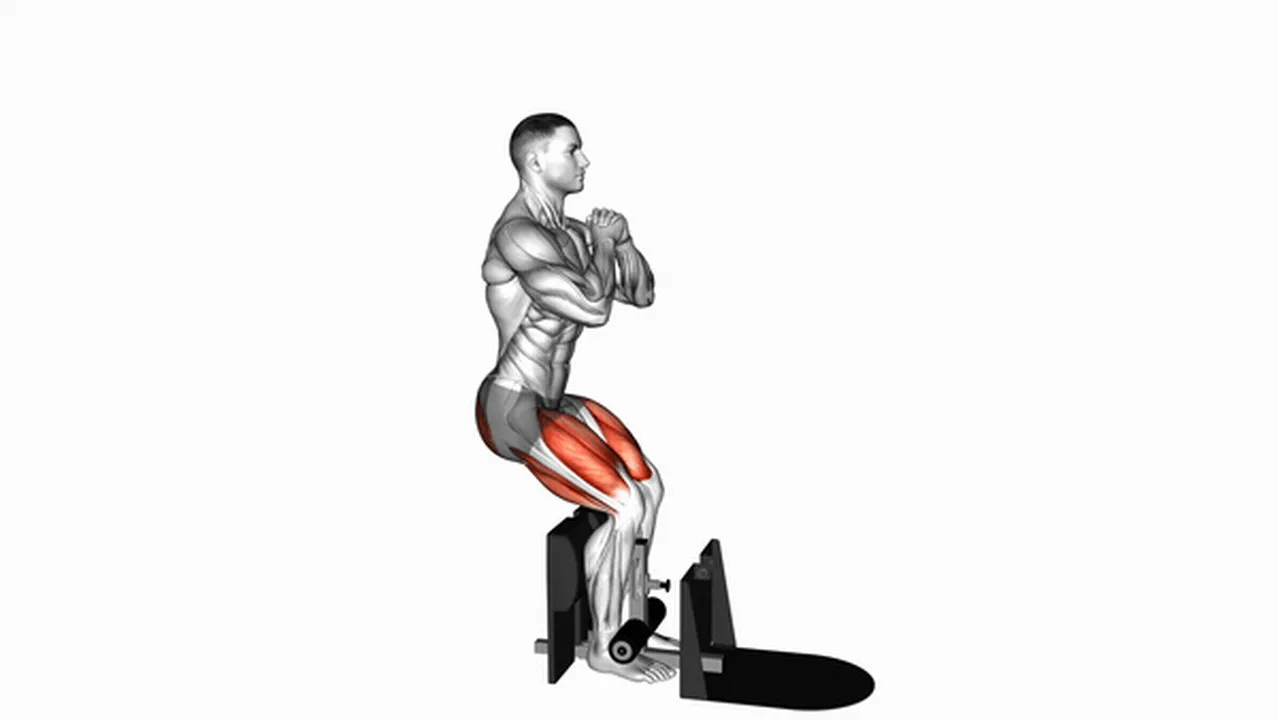
Start by standing with your back against the support. Slowly lower yourself as if sitting in a chair, keeping your back straight. Pause, then push back up to standing.
7.
You can control how low you go, making it easier or harder as you get stronger.
8.
As you get stronger, you can gradually reduce the amount of support you use, eventually working towards regular bodyweight squats.
9.
Remember to listen to your body and stop if you feel any pain. If you are unsure about the correct form, consider working with a fitness professional.
 Zylo AI
Free Calorie
Counter
App







What are the benefits of Bodyweight Supported Squats?
1.
They make your leg and buttock muscles stronger. Using your own body weight as resistance works your thighs, glutes (buttocks), and hips effectively, building strength and tone.
2.
They help you balance better. Because you're supported, you can focus on doing the squat correctly. This improves your overall balance and stability.
3.
They're safer for your body. The support reduces stress on your joints, making them a good choice for beginners or people with joint problems. This lowers your risk of getting hurt.
4.
They improve your flexibility. Doing these squats regularly can make your hips and thighs more flexible and easier to move.
5.
They're easy to do anywhere. You don't need any special equipment. You can do them at home or at the gym, making them very convenient.
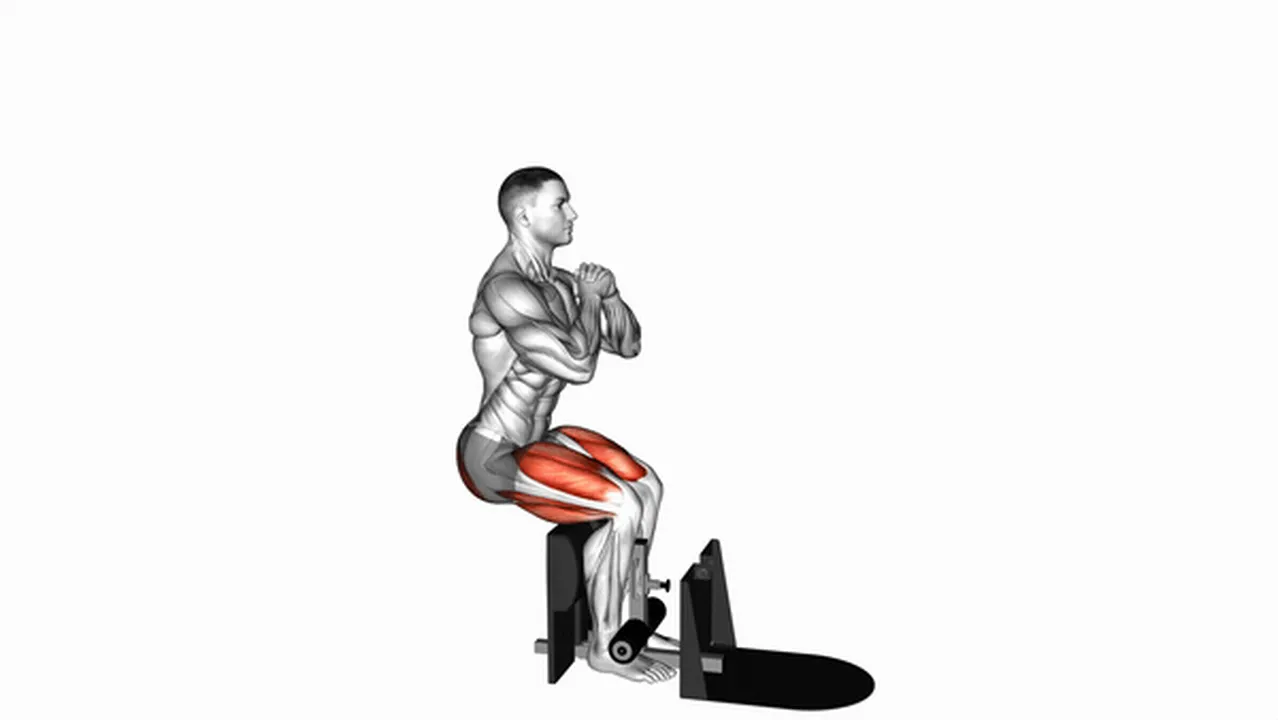
How to do Bodyweight Supported Squats?
1.
Good Grip: Hold the support firmly with straight arms. This helps you stay steady as you squat.
2.
Core Engagement: Tighten your stomach muscles. This keeps your back straight and protects your spine.
3.
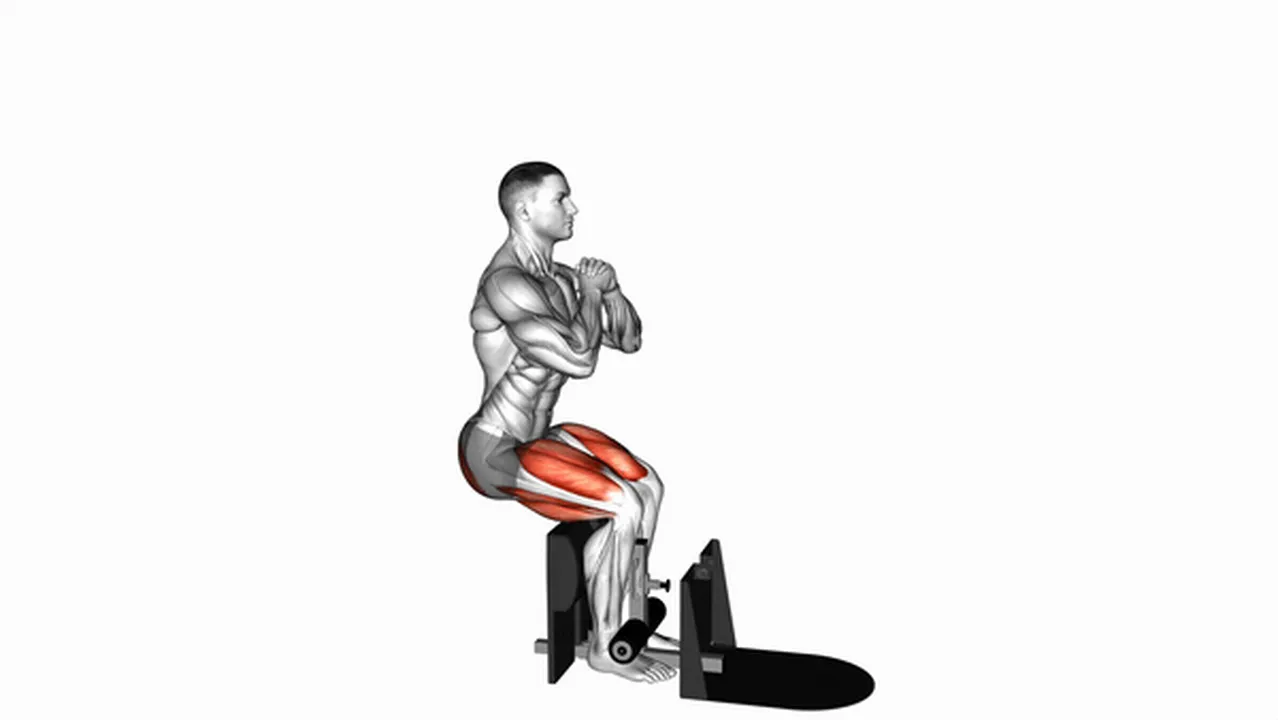
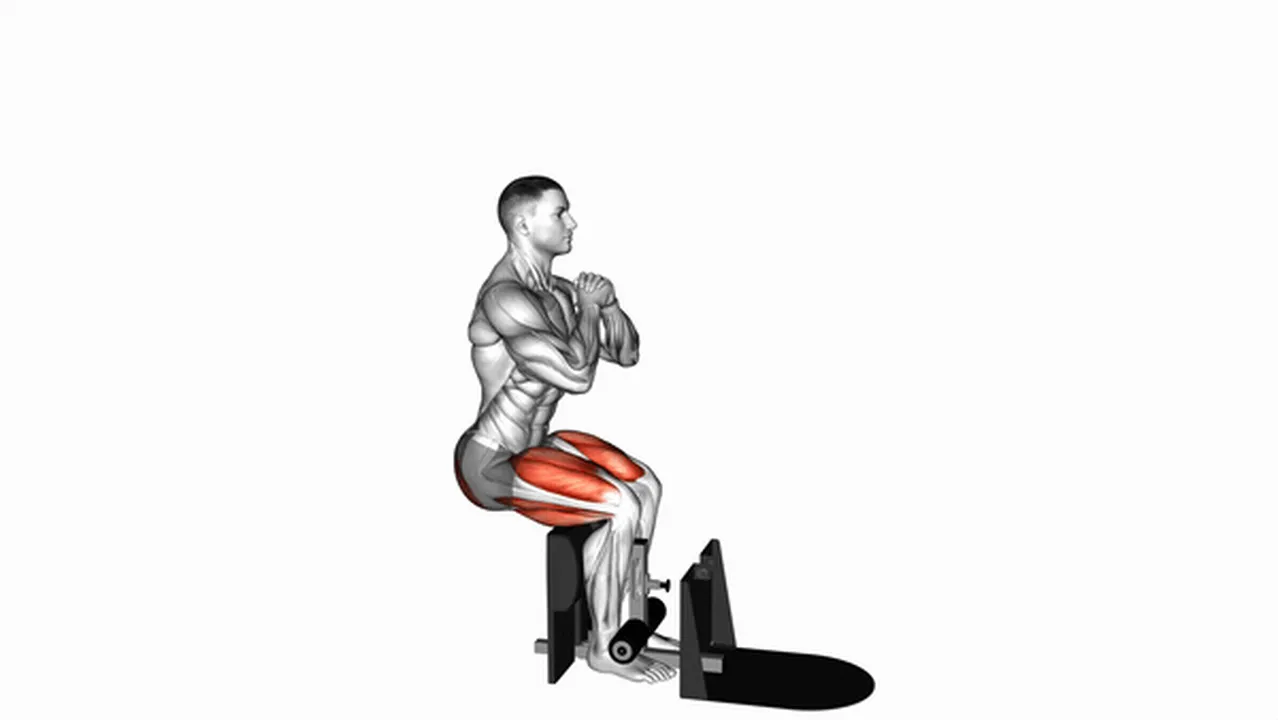
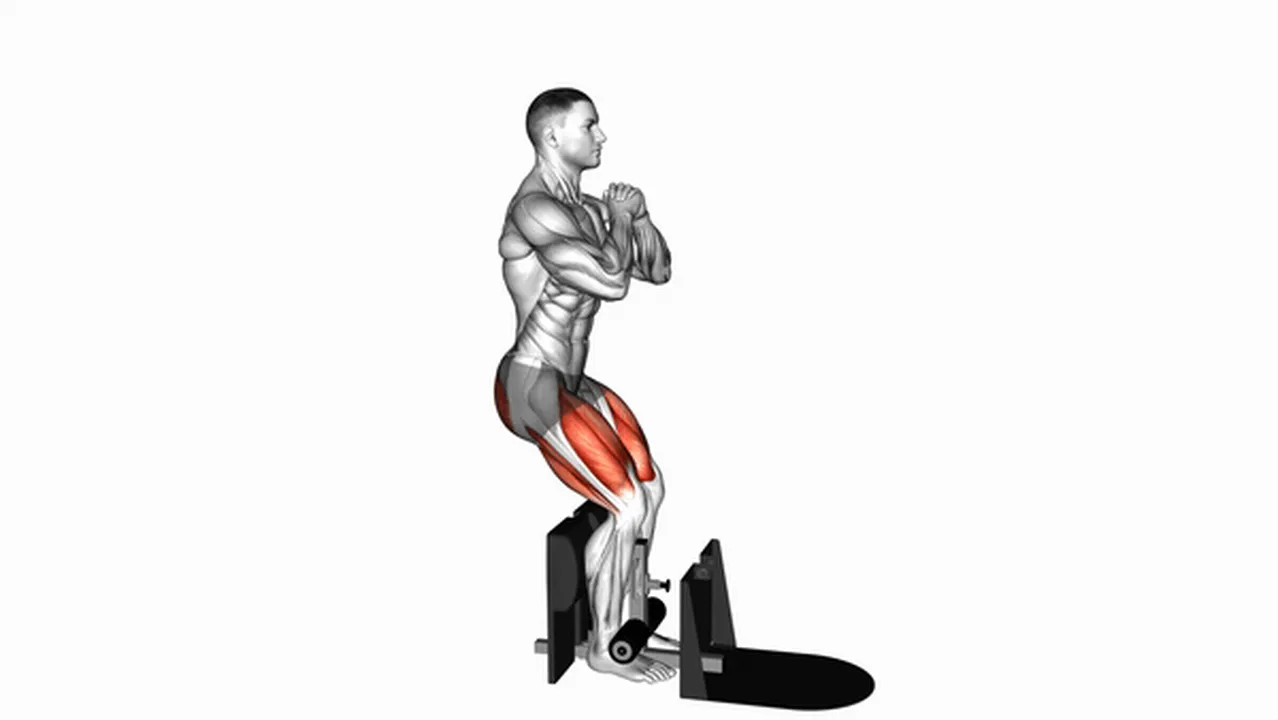
Going Down: Slowly bend your knees and hips, like you're sitting in a chair. Keep your chest up and your back straight. Don't let your knees go past your toes.
4.
How Low Can You Go?: Squat down until your thighs are even with the ground, or as far as you can comfortably go. Don't force it!
5.
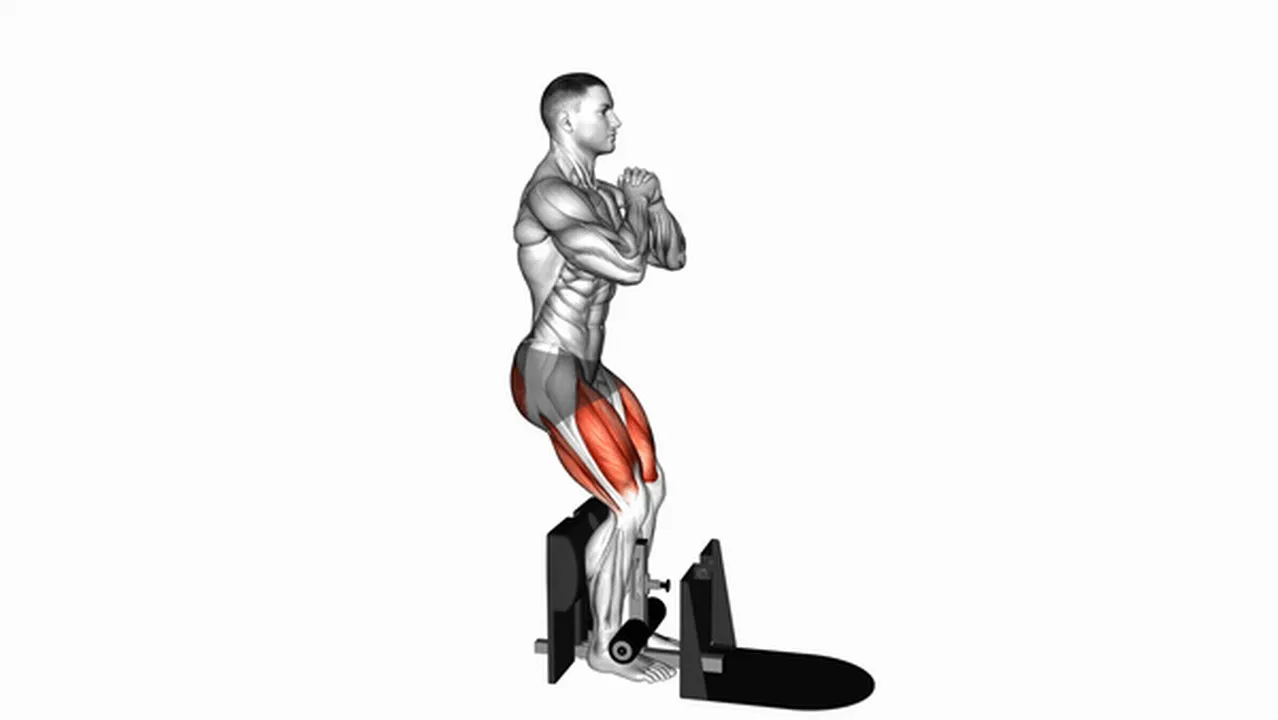
Standing Up: Push through your heels to stand back up straight. Use the support to help you balance if needed.
6.
Knee Alignment: Always try to keep your knees pointing in the same direction as your toes. This is important to avoid knee pain.
Common Bodyweight Supported Squats variations
1.
Dumbbell Supported Squats: Holding dumbbells helps you build stronger leg muscles (quads, hamstrings, glutes). The weights also help with balance, so it's good for all fitness levels.
2.
Narrow Squats: Standing with your feet closer together makes your quads work harder. This is a good way to strengthen your legs and make your hips and knees more flexible.
3.
Paused Goblet Squats: Holding a weight close to your chest and pausing at the bottom of the squat really challenges your muscles. It improves your balance and makes your legs stronger and more flexible.
4.
Different squat variations target similar muscles but in slightly different ways.
5.
Choose the squat that best matches your fitness goals. Want stronger legs? Try dumbbell squats. Need better balance? Try any of these variations!
6.
Experiment with these squats to find what works best for you and add them to your workout!
Alternatives to Bodyweight Supported Squats
1.
Bodyweight Rear Lunges: These work your thigh muscles (quadriceps), glutes (butt muscles), hamstrings (back of thighs), and calves. Unlike squats where you move up and down in one place, lunges involve stepping forward or backward, which helps with balance and coordination.
2.
Suspended Split Squats: This uses suspension straps (like TRX straps) to make the exercise harder. It really challenges your balance and core muscles (your stomach muscles) while still working your thighs and glutes. Because you're hanging slightly, it's a tougher workout than a regular squat.
3.
Single Leg Squats (with support): This focuses on strength in each leg separately. You squat down on one leg at a time, maybe using a chair or wall for support if needed. This is excellent for balance and strengthening each leg individually.
4.
Each of these exercises is good for you in its own way. Try them out and find what you like best to reach your fitness goals!
Zylo AI
Free Calorie
Counter
App
Common mistakes during Bodyweight Supported Squats
1.
Knees over toes: Make sure your knees track over your toes as you squat down. If your knees go inward, it can put pressure on your knees and hurt them. Try to keep your knees pointing in the same direction as your feet.
2.
Slow and steady: Don't rush your squats. Go down slowly and come up slowly. Rushing can make you lose your balance and hurt yourself. Focus on control, not speed.
3.
Tighten your tummy muscles: Before you start, and throughout the squat, pull your belly button towards your spine. This helps support your back and keeps you stable. Think about making your tummy firm.
4.
Start small, build up: If you're new to squats, start with a few and gradually increase the number you do. It's better to do a few good squats than many bad ones. Listen to your body and rest when you need to.
Takeaway
1.
Because you're using your own weight, the risk of injury is lower compared to using weights.
2.
These squats help you learn the correct form, which is important for preventing injuries when you do other exercises.
3.
Doing bodyweight supported squats regularly makes your leg muscles stronger and helps you move better.
4.
They're a great exercise for all fitness levels, from beginners to experienced athletes.
5.
You can easily add them to your workout routine, and you don't need any special equipment.
6.
Start slowly and gradually increase the number of squats you do as you get stronger.
7.
Pay attention to your body and stop if you feel any pain.
8.
As you get better, you can make the exercise harder by changing how you do it, like standing on one leg.
Zylo AI
Free Calorie
Counter
App
Disclaimer: The routines and schedules featured on our website are for informational purposes only and do not constitute medical or professional advice. Individual preferences, goals, and daily routines may vary significantly. Please note that some product links within our content are affiliate links. While not all routines have been explicitly endorsed by the individuals mentioned, we strive to ensure the accuracy and timeliness of the information we provide.
Disclaimer: Zylo AI(BR) does not provide medical advice, diagnosis, or treatment. Any information published on this website or by this brand is not intended as a replacement for medical advice. Always consult a qualified health or mental health professional with any questions or concerns about your mental health.